How Telemedicine Expands Access to Care
13 June 2026 · By Medicine Mauritius · Updated 8 July 2026
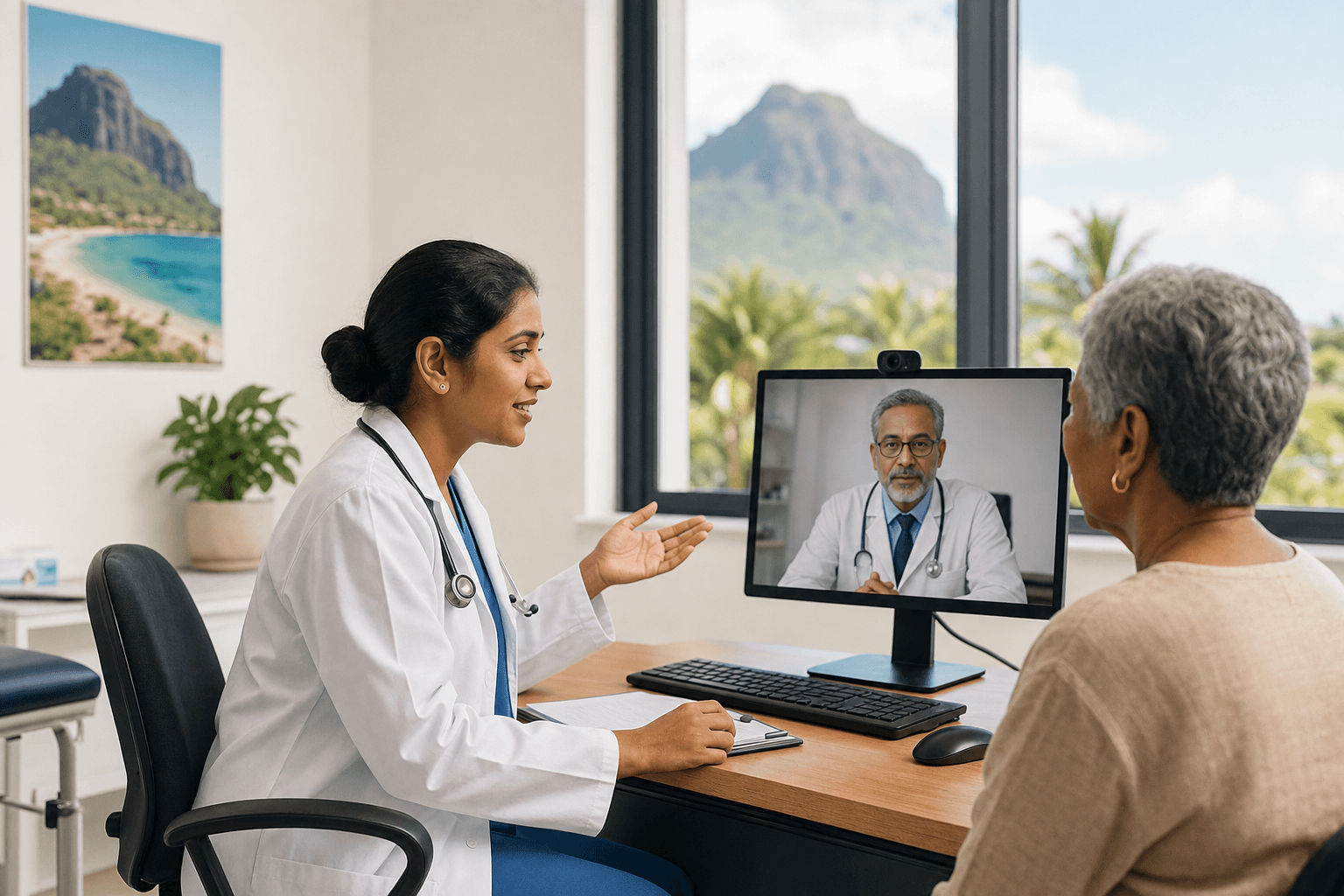
Not every health problem needs a face to face visit. Telemedicine, the use of phone and video to connect patients with doctors, has grown from a novelty into an everyday tool. For a small island where getting to a clinic can still mean a long journey, time off work, and a wait once you arrive, the ability to consult a doctor remotely can make real medicine more reachable. Understanding what telemedicine does well, and where it falls short, helps you use it wisely.
What telemedicine actually is
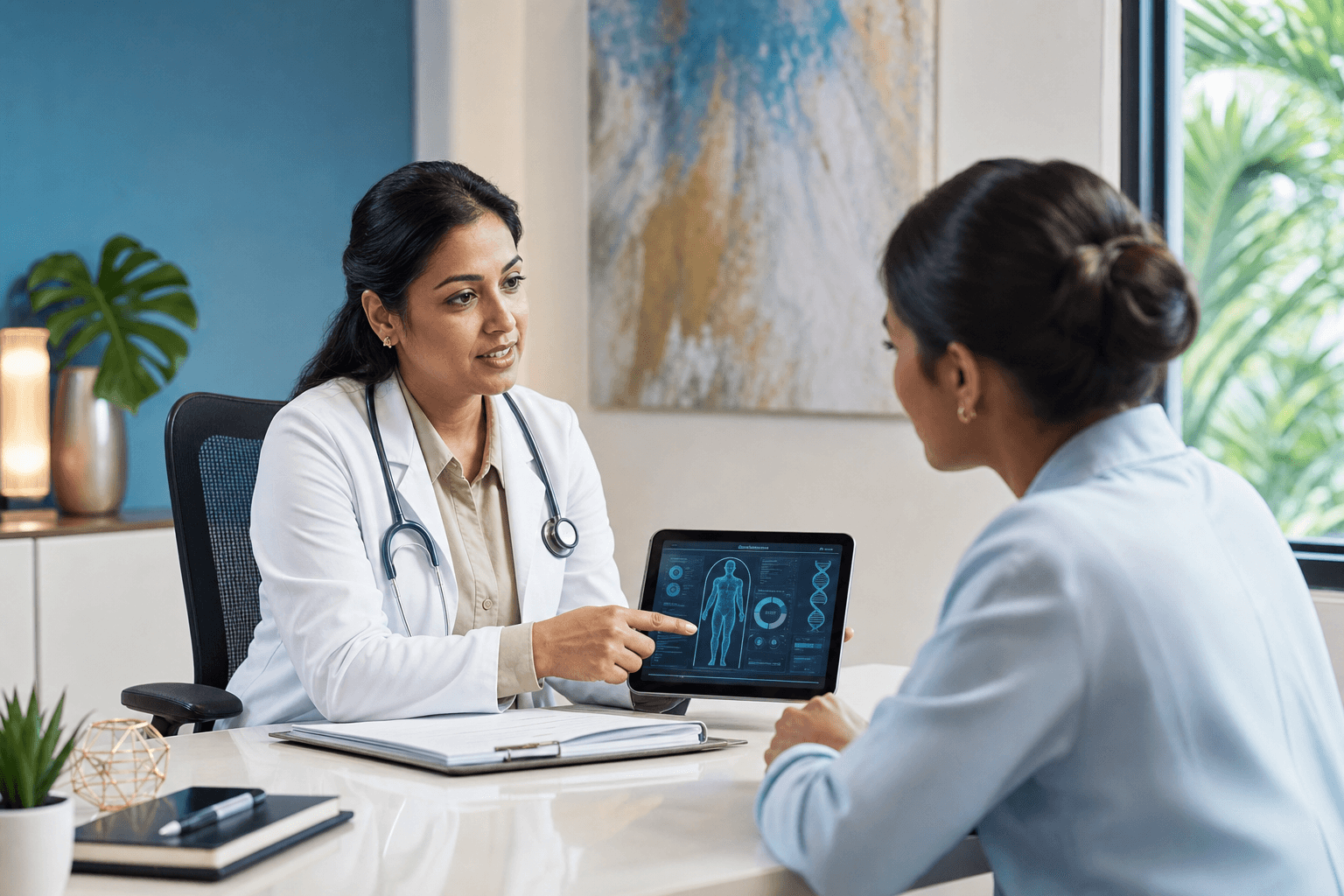
At its simplest, telemedicine is a medical consultation carried out at a distance. That might be a video call where you and the doctor can see each other, a phone conversation, or a secure message exchange. The doctor asks about your symptoms, reviews your history, looks at photos or readings you share, and gives advice, a prescription, or a plan, just as they would in person, within the limits of not being in the same room.
Around this core sit other tools: home devices that measure blood pressure or blood sugar and share the numbers with your clinic, and remote monitoring for people with long term conditions. Together they let care extend beyond the walls of the clinic.
Where it helps the most
Telemedicine is not a replacement for all care, but for certain situations it is a genuine improvement.
- Follow up visits. If you are stable on treatment for diabetes or high blood pressure, a routine review of your readings and medicines often works perfectly well by video, saving you a trip.
- Repeat prescriptions and simple questions. Clarifying a dose, discussing a side effect, or renewing an ongoing medicine can frequently be handled remotely.
- Minor and common problems. Many everyday complaints can be assessed and advised on at a distance, with an in person visit arranged only if needed.
- Reaching distant or busy patients. For people who live far from a clinic, work long hours, care for others, or have difficulty travelling, a remote option can be the difference between getting advice and going without.
- Mental health support. Counselling and follow up for mood and stress often translate well to video, where the conversation itself is the treatment.
The honest limits
Telemedicine cannot do everything, and a good service is clear about that. A doctor cannot physically examine you through a screen, cannot listen to your chest, and cannot perform tests or procedures remotely. Some problems genuinely need hands on assessment.
Certain symptoms should always prompt in person or emergency care rather than a virtual chat. Chest pain, severe breathlessness, sudden weakness or difficulty speaking, heavy bleeding, or a serious injury need urgent physical attention. Telemedicine is for the many situations that sit below that threshold, not a substitute for emergency services.
There is also the matter of connection and comfort. A weak internet link, an unfamiliar app, or simply preferring to speak in person are all real considerations. Good telemedicine offers a choice rather than forcing everyone online.
Making a virtual visit work well
A little preparation makes a remote consultation as useful as a room visit.
Find a quiet, private, well lit spot where you can speak freely. Write down your main concerns and questions in advance so you do not forget them. Have your current medicines with you, along with any recent readings such as blood pressure or blood sugar, and your test results if you have them. If your problem is visible, such as a rash or a swelling, good lighting and a clear photo help the doctor a great deal.
At the end, make sure you understand the plan: what to do, what to watch for, when to follow up, and in what circumstances you should seek in person or emergency care instead.
A tool that widens the door
The real promise of telemedicine is access. It does not replace the clinic, the hospital, or the value of a doctor's hands. What it does is remove some of the friction that keeps people from seeking advice at all, the distance, the waiting, the lost day of work. Used for the right problems, it brings a doctor's guidance within reach of more people, more of the time. As services in Mauritius continue to adopt it, the sensible approach is to see telemedicine and in person care as partners, each suited to different needs.
This article is general information and does not replace advice from your own doctor. In an emergency, seek urgent in person care rather than a remote consultation.
Good internal medicine is the foundation of a longer, healthier life. Explore the wider Medtech medical technology and education network.